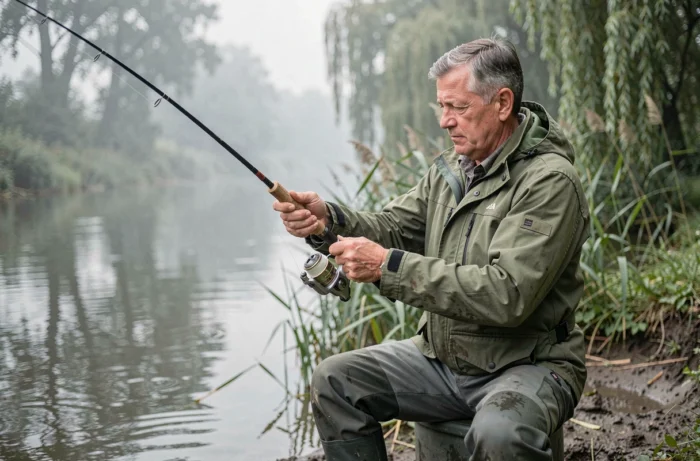
Fishing in Belgium is practiced under a fragmented regulatory framework, where the regional permit is not always sufficient and where the available species change from season to season. Before preparing for the next session, comparing administrative obligations, terrain constraints, and adjustments related to recent changes in the aquatic environment helps avoid unpleasant surprises.
Regulatory Fragmentation in Belgium: Regional Permit, Local Card, and Occasional Restrictions
Competitors often present Belgian regulations as a binary choice between Wallonia and Flanders. The reality is more granular. On non-navigable Walloon waterways, holding a regional permit does not guarantee access to the targeted stretch.
The Walloon House of Fishing specifies that a fishing card issued by the local society may be required in addition to the regional permit. The society holding the fishing rights retains the ability to temporarily close its stretch, without this closure being reflected on the official channels of the Region.
In September 2026, the SPW Environment confirmed the lifting of the river fishing ban in Wallonia, but some local societies may still impose occasional restrictions. Therefore, checking with the managing society of the stretch remains an essential step in preparation, just like choosing the equipment. To find the right gear for the session, a useful resource is: https://angelsport.be/, which covers a wide range of techniques and budgets.
| Administrative Element | Wallonia (non-navigable waterways) | Flanders |
|---|---|---|
| Regional Permit | Mandatory | Mandatory (visverlof) |
| Local Society Card | Often required in addition | Depends on the stretch |
| Temporary Closure by the Society | Possible without centralized notice | Less frequent |
| Opening Periods | Variable depending on species and area | Variable depending on species and area |
This table shows that the permit alone does not cover all terrain situations. The most reliable approach is to contact the fishing society of the targeted stretch directly before each outing.
Cephalopods in the North Sea: How Warming Changes Coastal Sessions
The least covered angle by Belgian fishing guides concerns the rapid transformation of stocks in the North Sea. According to an RFI report from August 2026, octopuses, squids, and cuttlefish have become increasingly fished species off the Belgian coast, whereas they were previously almost nonexistent.
Euronews attributes this phenomenon to the warming of the area, with the summer of 2025 described as exceptionally hot. This change has direct consequences on the preparation of a maritime fishing session in Belgium.
- Classic line techniques for bass or cod are not suitable for cephalopods, which require jigs or specific lures
- The schedule for coastal outings is expanding, as cephalopods are present during periods that Belgian fishermen did not previously exploit
- Usual spots may prove less productive for traditional species, while some sectors now concentrate these new catches
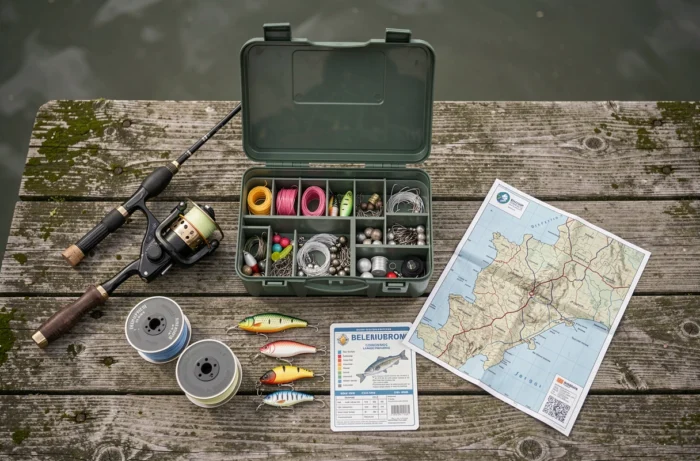
For the angler preparing for an outing in the Belgian North Sea, integrating a set of jigs into their tackle box is no longer a luxury but a logical adjustment in response to the evolving environment.
Equipment and Technique: Adapting the Session to the Season and the Spot
The Walloon House of Fishing lists several major techniques, each linked to the dietary habits of the targeted fish. Float fishing remains the most accessible for learning. Trotting is suitable for small rivers with a visual approach. Casting targets predatory fish.
Choice of Rig According to the Stretch
A versatile rig for the autumn season in Wallonia is based on a few fundamentals:
- A medium-length rod, which allows covering cluttered banks without sacrificing casting distance
- A main line strong enough to handle the frequent submerged obstacles in Walloon rivers after floods
- Natural baits or soft lures suitable for the water temperature, as fish are less active in cold water
- A net of regulatory size, often forgotten by beginners but required on many stretches
The versatility of the rig matters more than the technicality of the equipment for an angler discovering a new stretch. Observing the environment before casting, identifying active areas, and adjusting the line based on initial feedback: these gradual adjustments remain the foundation of any productive session.
Analysis of European Regulation on Fish Traceability
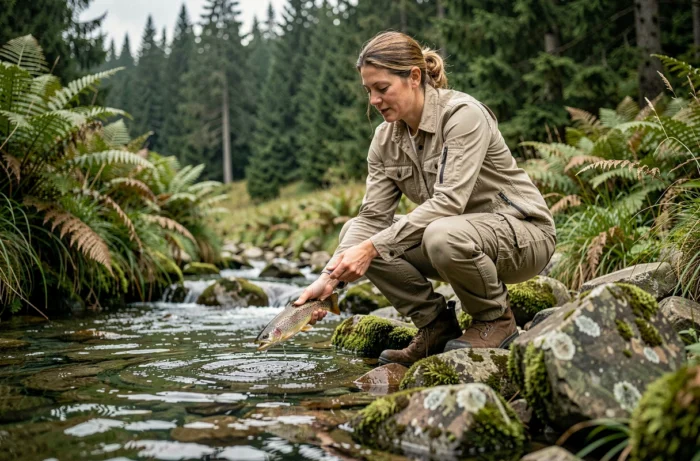
The new European Union rules on fish traceability, reported by the Belgian press in 2026, primarily concern businesses and distribution. Their indirect impact on recreational fishing relates to the increased pressure on commercial stocks, which can alter catch-and-release policies and regional quotas.
For the Belgian angler, this translates into heightened vigilance regarding minimum catch sizes and protected species. Controls on the ground may intensify in areas where professional and recreational fishing coexist, particularly on navigable waterways and the coast.
Preparing for a fishing session in Belgium is no longer limited to choosing the rod and bait. Checking the administrative status of the stretch, following the evolution of available species, and understanding the traceability obligations governing the sector are now steps as crucial as reading the weather report.