The energy renovation of a home is not just about stacking technical measures. Since MaPrimeRénov’ explicitly distinguishes between major renovations and isolated interventions, the very design of the work package follows a precise regulatory logic: at least two insulation measures and a minimum jump of two classes in the energy performance diagnosis (DPE). Ignoring this framework means missing out on the highest aid ceilings and often under-dimensioning the project.
Thermal Sequencing: Why the Order of Renovation Work Matters
We regularly observe sites where the heating system replacement precedes the insulation of the envelope. The result is an oversized system compared to the actual heat losses of the building once insulated. The sizing of the heating power directly depends on the residual needs after treating the envelope.
The optimal sequencing follows a simple rule: first reduce demand, then adapt production. In practice, this means addressing the roof and walls before touching the boiler or heat pump. Ventilation is interspersed between the two, because a sealed envelope without controlled air renewal generates humidity-related issues.
This phasing is not just a common-sense recommendation. It determines the coherence of the project in light of the energy audit, a document now mandatory to access major renovation pathways. The audit prescribes a priority order that the RGE artisan must respect for the aid to be unlocked.
To delve deeper into the types of interventions, we recommend consulting what energy renovation work is on La Petite Maison dans la Prairie, which details each item with its technical specifications.
Thermal Insulation: Balancing Between Roofs, Walls, and Ground Floors
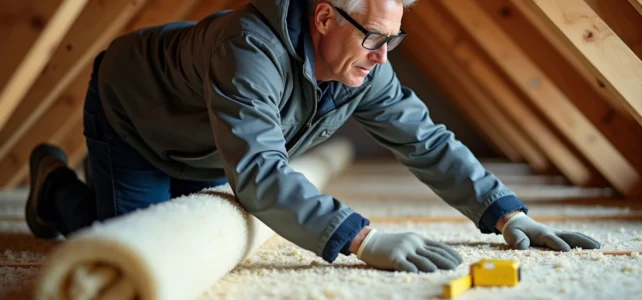
The roof remains the heaviest area of heat loss in an uninsulated single-family home. Treating lost attics by blowing in mineral wool or cellulose wadding offers the best thermal gain/cost ratio. For converted attics, insulation under the slopes with continuous vapor barrier requires rigorous implementation; otherwise, thermal bridges at the level of the rafters and beams negate a significant part of the gain.
External wall insulation (ITE) eliminates most structural thermal bridges, particularly at wall/floor and wall/partition junctions. Internal wall insulation (ITI) remains relevant when the facade is protected (listed building, co-ownership), but it reduces living space and requires careful treatment of singular points: electrical outlets, panels, ducts.
Ground floors on crawl spaces or slabs are often overlooked. However, their insulation helps eliminate the sensation of cold floors, a comfort factor that the DPE does not capture but that occupants feel immediately.
Joinery and Air Tightness
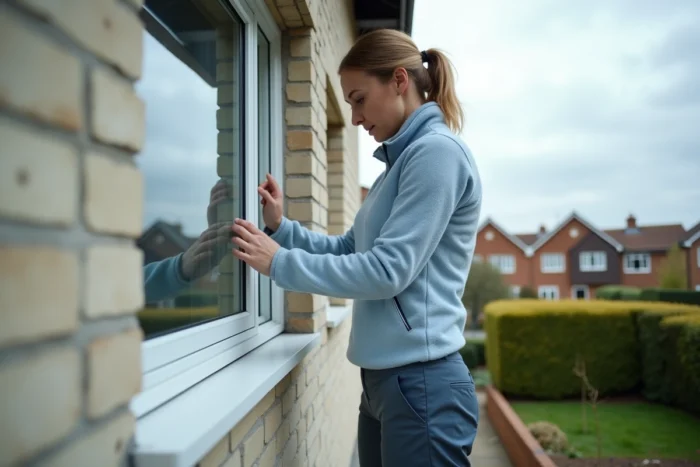
Replacing single-glazed windows with double glazing with enhanced insulation (VIR) improves both thermal performance and acoustic attenuation. Triple glazing is mainly justified on north-facing facades or in the coldest climatic zones.
The critical point remains the installation. A high-performance frame poorly installed, with a discontinuous peripheral seal, degrades the air tightness of the envelope. We recommend systematically checking the implementation of the peripheral sealing and the drip edge.
Heating and Ventilation: Adapting Production to Real Needs
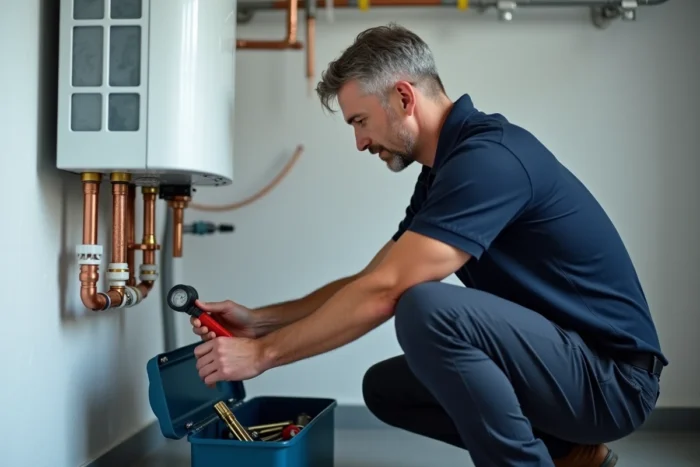
Once the envelope is treated, heating needs drop. The sizing of the new generation of heating must rely on the post-insulation thermal study, not on historical consumption. This is a common mistake: installing a high-capacity air/water heat pump in a home whose heat losses have been halved or tripled.
- The air/water heat pump covers the majority of configurations in single-family homes, provided that the supply temperature of the distribution network is compatible (underfloor heating or low-temperature radiators).
- The wood pellet boiler remains relevant in areas not served by the gas network, with local supply of certified pellets.
- The thermodynamic water heater is a better replacement for the classic electric tank for producing domestic hot water, with a performance coefficient that reduces the electrical consumption dedicated to this item.
Controlled Mechanical Ventilation and Air Quality
The double-flow VMC recovers a significant portion of the calories from the extracted air to preheat the incoming fresh air. Its interest is maximized in highly insulated homes, where losses due to air renewal become the dominant factor. Without an appropriate VMC, a sealed envelope produces condensation and mold.
In renovations, installing a double-flow system requires running a network of rigid or semi-rigid ducts, which can be complex in existing configurations. The hygro-regulated single-flow VMC type B then constitutes an acceptable compromise.
Major Renovation: Aid Ceilings and Eligibility Conditions
Since the overhaul of aid mechanisms, major renovations benefit from ceilings that are significantly higher than isolated measures. MaPrimeRénov’ Major Renovation can reach up to 15,000 euros, limited to half the cost of the work for households with very modest incomes. The Effy Premium, on the other hand, can go up to 25,000 euros for a comprehensive renovation project.
To qualify, the project must meet several conditions:
- Completion of a prior energy audit by a certified professional, prescribing the work and its sequencing.
- At least two distinct insulation measures (roof + walls, or walls + ground floors, for example).
- A minimum gain of two classes in the DPE, verified at the end of the work.
- Engagement of companies holding the RGE (Recognized Guarantor of the Environment) label for each lot.
These requirements mechanically steer projects towards a holistic approach rather than scattered interventions over several years. The financial setup, between grants, zero-interest eco-loans, and remaining costs, should ideally be arranged before launching the consultation of companies.
The most effective energy renovation is the one that treats the envelope, ventilation, and heat production as a single system. Separating these items means accepting technical compromises that pay off in comfort, residual consumption, and the property’s heritage value.